The Ultimate Guide To Vegetables That Grow Together
Title: The Ultimate Guide to Vegetables That Grow Together
Introduction:
Growing a vegetable garden is a rewarding experience, but it can also be a bit overwhelming. There are so many different vegetables to choose from, and it can be hard to know which ones will grow well together.
That's where companion planting comes in. Companion planting is the practice of growing two or more different types of plants in close proximity to each other. When done correctly, companion planting can have many benefits, including:
- Improved plant growth
- Reduced pests and diseases
- Increased pollination
- Enhanced flavor
In this blog post, we will discuss the basics of companion planting and provide a list of vegetables that grow well together. We will also discuss some vegetables that should not be planted together.
Main Content:
There are a few things to keep in mind when companion planting. First, you need to consider the plants' needs. Some plants need full sun, while others prefer partial shade. Some plants need well-drained soil, while others are more tolerant of moisture.
Second, you need to consider the plants' growth habits. Some plants are tall and need plenty of space, while others are short and bushy. Some plants spread out, while others grow upright.
Finally, you need to consider the plants' pests and diseases. Some plants attract beneficial insects that help to control pests. Other plants have natural resistance to certain diseases.
With these factors in mind, here is a list of vegetables that grow well together:
- Beans and corn: Beans fix nitrogen in the soil, which benefits corn. Corn provides shade for beans, which helps to prevent them from getting too hot.

- Carrots and onions: Carrots deter onion pests, while onions deter carrot pests.

- Lettuce and tomatoes: Lettuce shades the soil around tomatoes, which helps to keep the soil cool and moist. Tomatoes provide support for lettuce, which can be top-heavy.
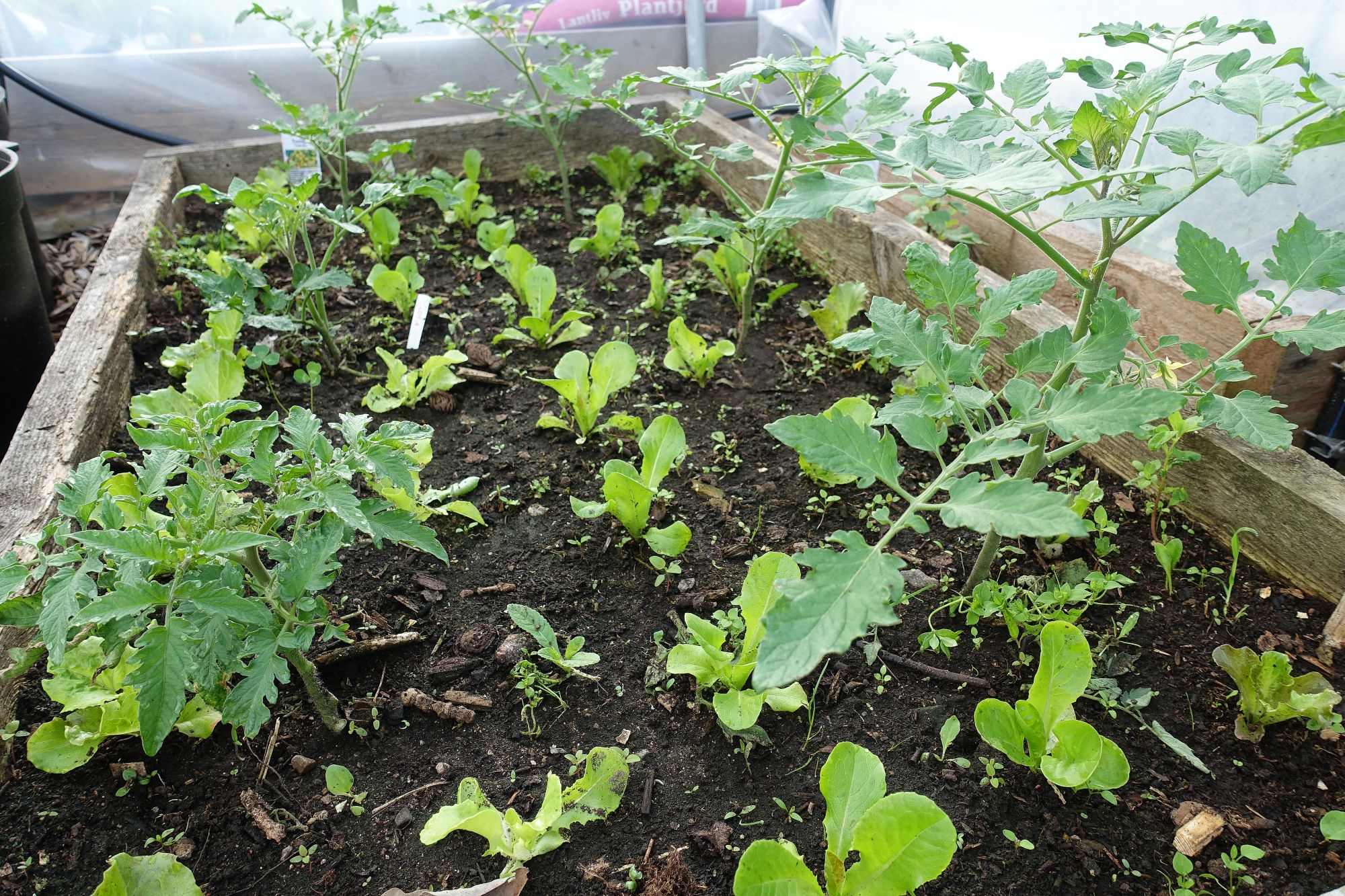
- Peas and potatoes: Peas fix nitrogen in the soil, which benefits potatoes. Potatoes provide shade for peas, which helps to prevent them from getting too hot.
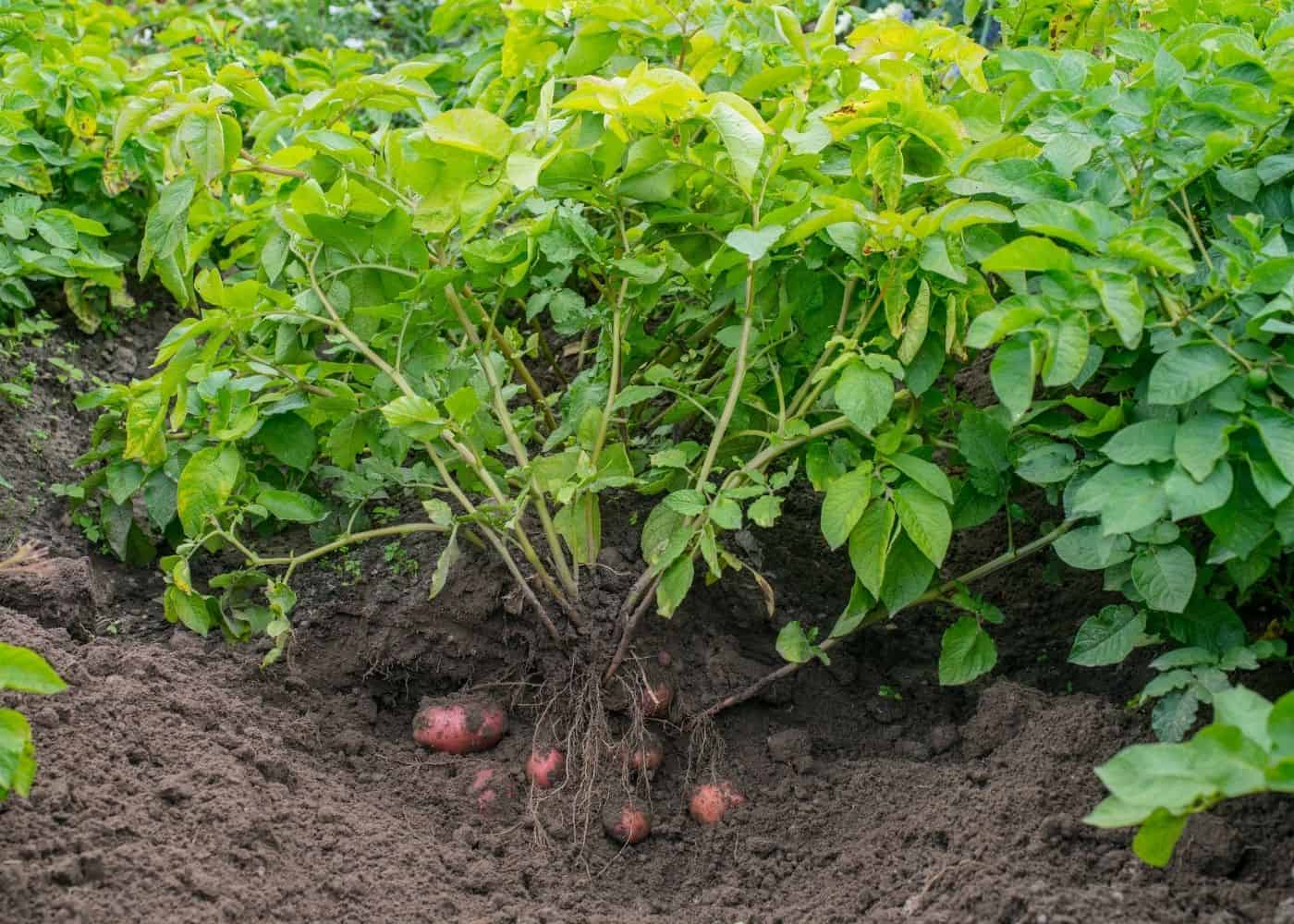
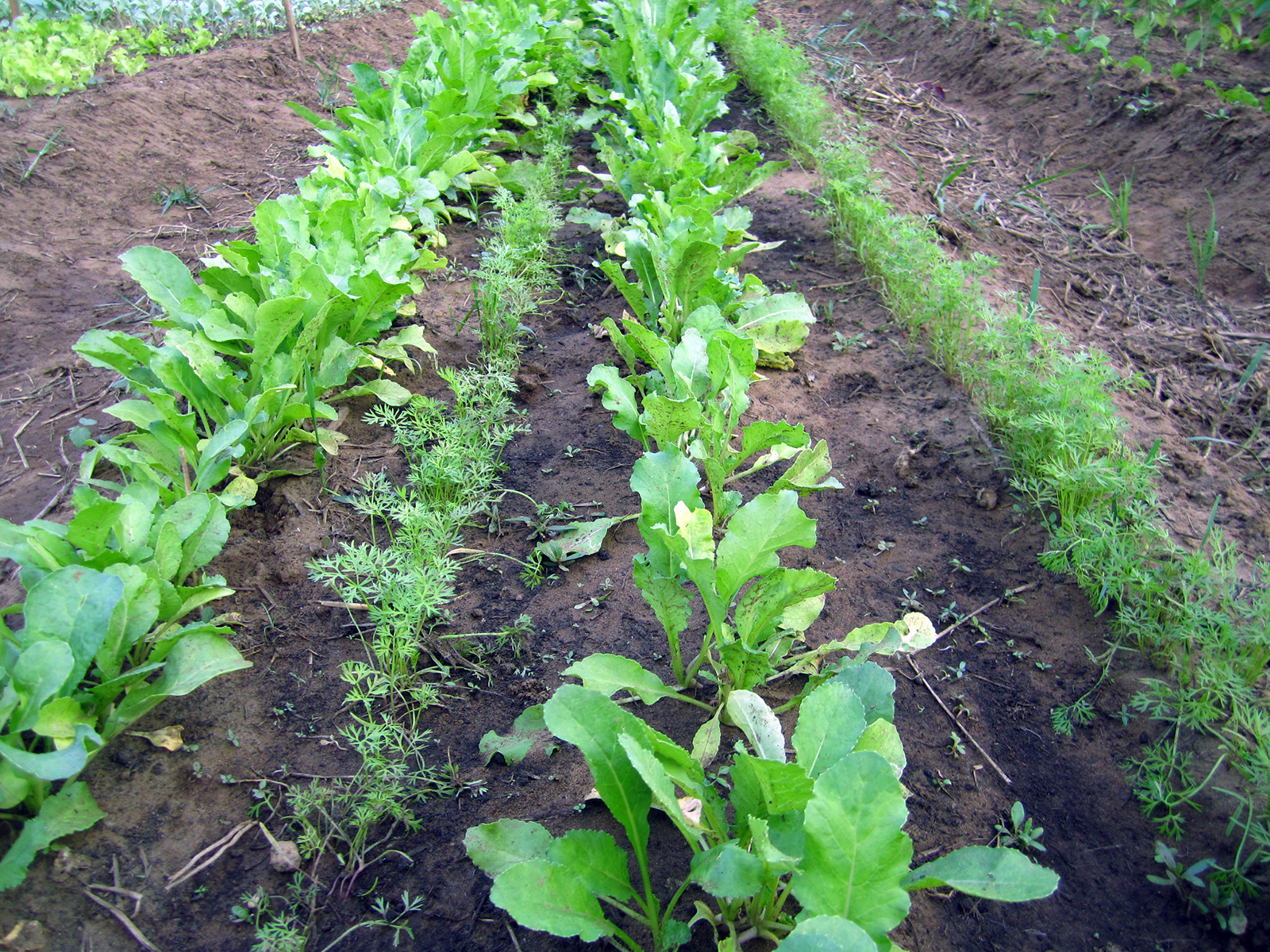
- Spinach and radishes: Spinach shades the soil around radishes, which helps to keep the soil cool and moist. Radishes mature quickly and leave the space open for spinach to grow.
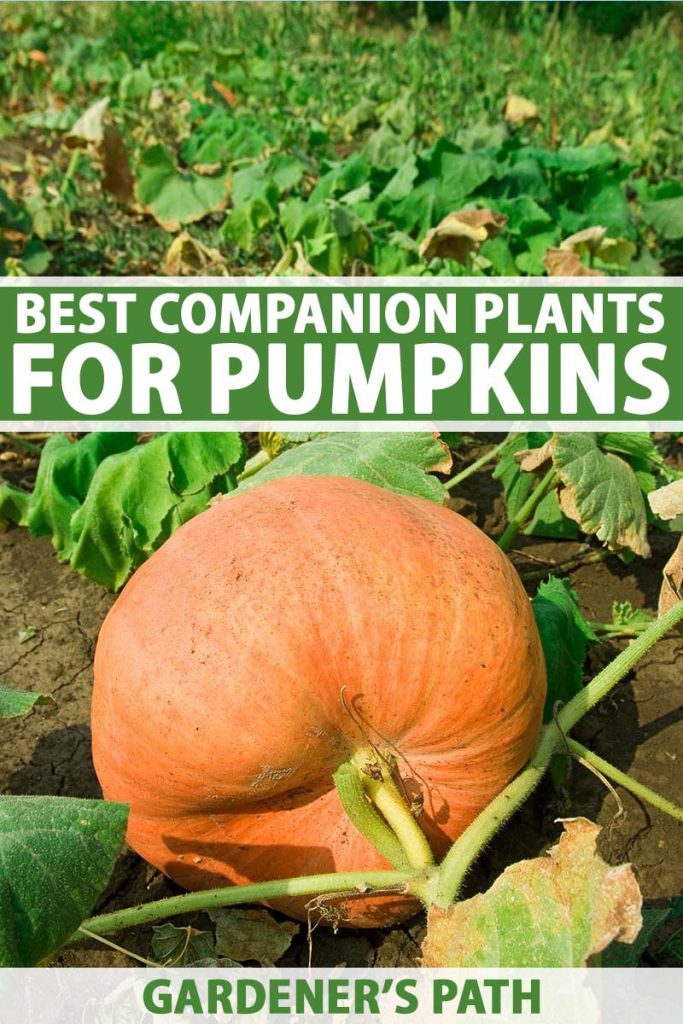
- Squash and pumpkins: Squash and pumpkins can help to suppress weeds. They also attract beneficial insects that help to control pests.
Vegetables that grow well together can help you maximize your garden space and yield. Some popular combinations include:
- Carrots and radishes: These two root vegetables have different growth rates, so they won't compete for space. Radishes are ready to harvest in just a few weeks, so you can plant them in between carrots and have a second crop in the same space.
- Peas and beans: These legumes are nitrogen fixers, which means they add nitrogen to the soil. This can benefit other plants in your garden, especially those that are heavy feeders.
- Tomatoes and basil: These two plants are a classic combination for a reason. Basil helps to repel pests from tomatoes, and it also enhances the flavor of the tomatoes.
For more information about vegetables that can grow together, visit Home Gardening. This website has a comprehensive list of companion planting charts, as well as tips on how to choose the right plants for your garden.
FAQ of vegetables that can grow together
- What vegetables grow well together?
There are many vegetables that grow well together. Some popular combinations include:
* Basil and tomatoes: Basil helps to deter pests from tomatoes, and it also enhances the flavor of the tomatoes.
* Carrots and radishes: Radishes mature quickly, so you can harvest them and then give the carrots more space to grow.
* Peas and lettuce: Peas fix nitrogen in the soil, which benefits the lettuce.
* Pumpkins or squash and corn: These plants all have different nutrient needs, so they don't compete for resources.
* Beets and onions: Beets and onions have different root systems, so they don't compete for space.
- What vegetables should not be planted together?
There are also some vegetables that should not be planted together. Some common pairings to avoid include:
* Cucumbers and tomatoes: Cucumbers attract pests that can also damage tomatoes.
* Lettuce and cabbage: These plants are susceptible to the same diseases, so planting them together can increase the risk of infection.
* Kohlrabi and carrots: Kohlrabi produces a chemical that can stunt the growth of carrots.
* Onions and asparagus: Onions can inhibit the growth of asparagus.
* Potatoes and eggplants: Potatoes and eggplants are both susceptible to the same pests and diseases, so planting them together can increase the risk of infection.
- How do I know which vegetables to plant together?
There are a few things to consider when choosing vegetables to plant together. First, you need to think about the plants' growth habits. Some plants, like tomatoes, grow tall and need plenty of space. Other plants, like lettuce, are more compact and can be planted closer together.
You also need to consider the plants' nutrient needs. Some plants, like peas, fix nitrogen in the soil, which benefits other plants. Other plants, like tomatoes, require more nitrogen, so you'll need to fertilize them more often.
Finally, you need to consider the plants' pest and disease resistance. Some plants, like marigolds, attract beneficial insects that help to control pests. Other plants, like potatoes, are susceptible to certain diseases.
- Where can I find more information about companion planting?
There are many resources available to help you learn more about companion planting. You can find books, articles, and websites that offer information on which vegetables grow well together. You can also talk to experienced gardeners in your area to get their recommendations.
Image of vegetables that can grow together
null

Post a Comment for "The Ultimate Guide To Vegetables That Grow Together"